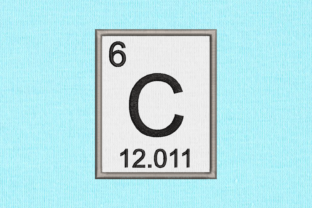
Reviewing the Periodic Element 6 C Carbon Applique
As an embroidery designer who spends countless hours digitizing and testing patterns, I approach every new machine embroidery design with a critical eye. It is not just about whether the stitches look good on my screen; it is about how that design performs in the real world when it becomes a personalized gift for a customer. Recently, I had the opportunity to test the Periodic Element 6 C Carbon Applique, and I want to share my practical insights on how this specific pattern fits into a modern maker’s portfolio.
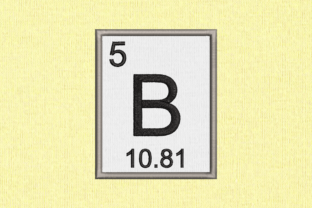
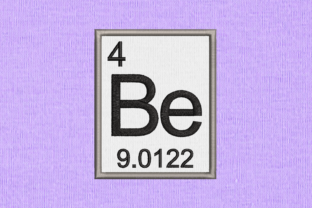
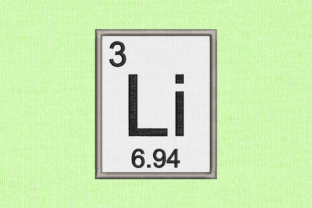
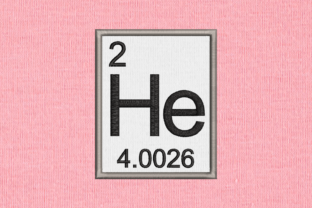
The first impression of this design is one of intelligent charm. It strikes a delicate balance between educational and decorative. For those of us who love science, showing off that passion is indeed elementary. The design features the element’s letter symbol, atomic number, and name, arranged in a clean, recognizable periodic table block format. It feels modern yet classic, avoiding overly childish fonts in favor of a crisp, academic aesthetic. This makes it versatile enough for a wide range of applications, from Back To School projects to sophisticated home decor.
Why This Design Resonates with Buyers
In today’s market, customers are looking for gifts that tell a story. The Periodic Element 6 C Carbon Applique does exactly that. Carbon is the building block of life, which adds a layer of deep meaning to the design. When I imagine a customer browsing an online shop, I can see this appealing to several distinct groups. Science teachers, chemistry students, and laboratory professionals are obvious targets, but the appeal goes further. Parents who want to encourage STEM interests in their children will find this perfect for baby embroidery projects.
For Etsy sellers and small business owners, this design offers a unique niche. While floral and monogram designs are saturated, scientific themes remain underserved. By offering this as a custom embroidery option, you can attract buyers looking for something specific and meaningful. Whether it is for a graduation gift, a birthday present for a young scientist, or a quirky addition to a kitchen, the emotional connection is strong. It feels handmade and thoughtful, which increases the perceived value of the final item.
Versatile Applications for Your Shop
One of the strengths of this applique style is its adaptability. I tested the design on various items to see where it shines best. Here are some of the most effective uses for the Periodic Element 6 C Carbon Applique:
- Personalized Towels: An embroidered towel featuring this design makes a fantastic gift for a science enthusiast. The bold lines of the applique hold up well against the texture of terry cloth, provided you use the right stabilizer.
- Nursery Decor: For baby products, consider stitching this onto a soft muslin blanket. It serves as a gentle introduction to science and looks adorable in a nursery setting. It works beautifully for blanket embroidery where a central focal point is needed.
- Tote Bags and Aprons: Canvas tote bags and cotton aprons provide a stable surface for this design. It is perfect for Back To School collections, appealing to students and teachers alike who want to carry their love for chemistry with them.
- Pillow Covers: A pillow cover with this element can add a touch of intellectual whimsy to a living room or study. It pairs well with modern, minimalist interior design styles.
- Wedding Gifts: While not traditionally romantic, carbon is essential to life. For a couple who met in a chemistry class or works in the sciences, this could be a unique and memorable wedding gift when paired with their initials or wedding date.
Technical Considerations for Embroidery Makers
While the design is visually appealing, successful execution requires attention to technical details. As a professional, I always advise checking the specifics of your digital embroidery file before starting a customer order. Since the product description notes that the design includes the element’s letter symbol and atomic number, clarity is key.
Fabric Texture and Stabilizer
Applique designs rely on the contrast between the fabric patch and the satin stitch border. When working with textured fabrics like thick towels or waffle weave, ensure your stabilizer is robust enough to prevent sinking. A cut-away stabilizer is often safer for items that will be washed frequently, such as baby clothes or kitchen linens. For stretchy fabrics, like those used in baby onesies, a hoop-and-stick method with a tear-away backing might suffice, but always test first.
Thread Colors and Contrast
The visual impact of the Periodic Element 6 C Carbon Applique depends heavily on color choice. On dark fabrics, use light-colored thread for the border and text to ensure readability. Conversely, on white or light pastels, dark threads will make the design pop. I recommend creating a printable mockup or digital preview to show customers how different thread colors will look on their chosen fabric. This helps manage expectations and reduces the likelihood of returns.
Hoop Size and Placement
Before stitching, confirm the required hoop size. While applique designs are often compact, you need enough space around the design for proper hooping without distorting the fabric. If you are placing this on a curved surface, such as a sleeve or a rounded pillow, take extra care to center the design correctly. Misalignment is more noticeable with geometric shapes like the periodic table block than with organic floral patterns.
Navigating Potential Challenges
No design is without its challenges. With the Periodic Element 6 C Carbon Applique, the primary concern is the legibility of the small text. The atomic number and element name must be clear. If the design is scaled down too much for a small item, such as a baby sock or a small pocket, the text may become illegible. Always stitch a test sample on scrap fabric identical to your final product. Check the small details after stitching to ensure the satin stitches are dense enough to cover the raw edges of the applique fabric but not so dense that they cause puckering.
Additionally, consider the washing instructions for the finished product. Items like handmade product towels and baby blankets undergo frequent laundering. Ensure that the applique fabric is pre-shrunk to match the base fabric. If the applique shrinks more than the background, it will pucker. If it shrinks less, it may bubble. Consistency in fabric care is crucial for maintaining the quality of your small shop product.
Boosting Perceived Value and Trust
Using a well-digitized design like this enhances your brand’s reputation. When customers receive a high-quality finished product with clean stitches and precise alignment, their trust in your shop grows. This leads to repeat business and positive reviews. For commercial embroidery sellers, offering niche designs like the Periodic Element 6 C Carbon Applique sets you apart from competitors who only offer generic motifs.
Photography plays a vital role here. When listing this item, use lighting that highlights the texture of the satin stitch and the neatness of the applique edge. Show the design in context—on a backpack for school, on a towel in a bright kitchen, or on a blanket in a cozy nursery. These lifestyle shots help buyers visualize the personalized gift in their own lives, increasing buyer engagement and conversion rates.
Final Thoughts for the Modern Maker
In conclusion, the Periodic Element 6 C Carbon Applique is a valuable addition to any embroidery designer’s library. It is versatile, meaningful, and visually striking. Whether you are creating items for Back To School season, designing unique wedding gift options, or stocking your Etsy shop with educational baby items, this design delivers. Remember to respect the technical requirements of applique work, choose your materials wisely, and always prioritize quality control. By doing so, you transform a simple embroidery file into a cherished keepsake that celebrates the fundamental elements of life and learning.
Before you begin your next batch of orders, take a moment to review the license terms associated with your purchase. Ensure you have the rights for commercial embroidery if you plan to sell the finished items. With the right preparation and a keen eye for detail, this design can become a staple in your collection, bringing joy to science lovers and adding a touch of intellectual elegance to your handmade creations.