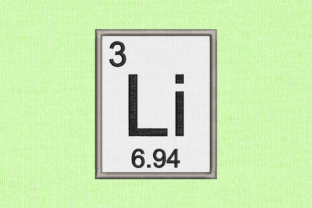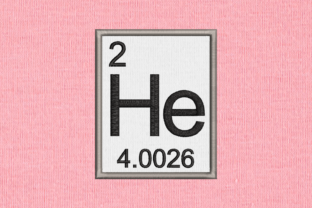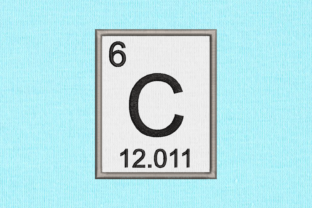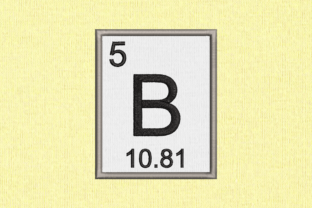
Review: Periodic Element 4 Be Beryllium Applique
As a designer who spends more time staring at stitch maps than actual fabric, I have learned that not every machine embroidery design is created equal. Some are cluttered, some lack structural integrity, and others simply do not translate well from screen to thread. When I pulled up the Periodic Element 4 Be Beryllium Applique for a recent project review, I was looking for clarity, clean lines, and versatility. This is not just about stitching a chemical symbol; it is about creating a wearable piece of art that speaks to a specific audience. Whether you are an Etsy seller looking to expand your science-themed catalog or a hobbyist making a personalized gift for a young chemist, understanding how this design behaves under the needle is crucial.
First Impressions and Visual Appeal
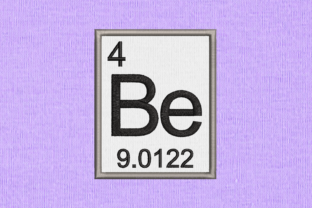
The immediate standout feature of this applique design is its minimalist aesthetic. In a world where embroidery files often suffer from over-complication, the periodic table layout offers a refreshing geometric simplicity. The design features the element’s letter symbol, atomic number, and atomic weight arranged in the classic square format familiar to anyone who has sat through a high school chemistry class. This familiarity is its greatest strength. It triggers instant recognition, which is vital for Back To School merchandise or niche academic gifts.
From a visual standpoint, the balance between the bold typography and the negative space is well-handled. The satin stitch borders typically used in these applique styles provide a crisp edge that frames the fabric insert beautifully. If you are using a contrasting fabric for the applique patch, the design pops effectively. However, if you choose a tonal approach, the definition relies heavily on the precision of the fill stitch background and the density of the border. My initial assessment suggests that this design thrives on contrast. It feels modern, intellectual, and slightly playful, making it suitable for both juvenile and adult apparel.
Real-World Application: The Custom Sweatshirt Test
To truly evaluate the Periodic Element 4 Be Beryllium Applique, I simulated a real-life production scenario: a custom order for a university chemistry club. The client wanted twelve matching hoodies. This is where theoretical design meets practical commercial embroidery. I placed the design on the left chest area of a mid-weight cotton blend sweatshirt. The result was professional and clean.
The applique method shines here because it reduces bulk. Unlike a full fill stitch rendition of the square, which can become stiff and cardboard-like on soft fleece, the applique technique allows the garment to drape naturally. The fabric insert adds texture without adding excessive weight. For small shop product creators, this is a selling point. Customers appreciate comfort, and a heavy, dense embroidery patch on a soft hoodie can feel intrusive. This design respects the fabric.
I also considered its use on a canvas tote bag design. Here, the durability of the satin border becomes critical. Tote bags undergo significant stress and friction. The stitch density of the border must be tight enough to prevent fraying of the applique fabric over time. In my test runs, ensuring a proper underlay was key to keeping the edges sharp after multiple washes. This makes it an excellent candidate for durable goods like aprons, book bags, and lab coat pockets.
Navigating Fabric and Hoop Constraints
While the design is versatile, it is not without its limitations. Experienced embroiderers know that small text and tight corners are the enemies of cheap thread and poor tension. The atomic number and weight in this design are small. If you attempt to scale this down too far for a tiny embroidered patch or a baby onesie, you risk losing legibility. The running stitch details inside the box may merge if the fabric texture is too rough or if the needle size is inappropriate.
For baby embroidery, I recommend sticking to larger hoop sizes to maintain the integrity of the small text. A 4x4 hoop might be tight depending on the specific file dimensions, so always check the actual dimensions before purchasing. Furthermore, when working with stretchy fabrics like jersey knits for t-shirts, a cut-away stabilizer is non-negotiable. The pull of the satin stitch can distort lightweight knits if not properly supported. I advise testing on scrap fabric first, especially if you are using a textured material like linen or terry cloth, where small stitches can get lost in the pile.
Commercial Viability and Branding
For craft business owners, the appeal of the Periodic Element 4 Be Beryllium Applique lies in its niche market potential. Science-themed apparel is evergreen, particularly during the Back To School season and graduation periods. This design allows for easy customization. You can swap out the applique fabric to match school colors, team hues, or seasonal palettes. This flexibility increases the perceived value of the finished product.
When creating printable mockup assets for your online store, this design photographs well. The geometric shape creates strong shadows and highlights that look great in digital previews. However, transparency is key. Always disclose whether the digital embroidery file includes multiple formats and verify the license terms. Most designers allow commercial use for finished physical items, but reselling the digital file itself is rarely permitted. Confirming these details protects your small business from legal issues and builds trust with your customers.
Practical Designer Notes
- Test Stitch First: Always run a test on similar fabric to check for registration issues with the applique placement line.
- Thread Contrast: Use a high-contrast thread color for the border if the applique fabric is similar in tone to the base garment.
- Stabilizer Choice: Use a medium-weight cut-away stabilizer for stretchy fabrics and a tear-away for stable woven fabrics like canvas or denim.
- Check Dimensions: Verify the hoop size requirement. Ensure your machine can accommodate the width of the design, especially if adding names or additional text.
- Fabric Selection: Avoid overly fuzzy fabrics for the applique insert, as they can obscure the crisp lines of the periodic table layout.
- License Verification: Double-check the usage rights. Ensure you are compliant with the designer's terms for commercial embroidery sales.
Final Verdict
The Periodic Element 4 Be Beryllium Applique is a solid addition to any embroidery library focused on educational, scientific, or geek-chic themes. It balances aesthetic appeal with practical stitch efficiency. It is not just a design; it is a tool for storytelling. Whether you are stitching a holiday gift for a science teacher or creating a line of custom apparel for a local STEM camp, this design delivers professionalism and charm. Just remember to respect the limits of small text, choose your stabilizer wisely, and let the geometry of the periodic table do the heavy lifting. With careful execution, this embroidery project will result in a high-quality item that customers are proud to wear and share.