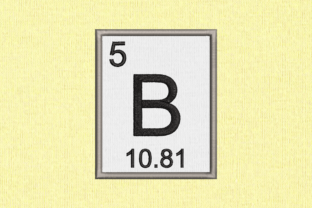
Reviewing the Periodic Element 5 B Boron Applique
As a designer who spends more time staring at stitch maps than actual fabric, I have learned that the difference between a cute idea and a sellable product often comes down to execution. When I first pulled up the Periodic Element 5 B Boron Applique on my screen, I was looking for more than just a science reference. I was looking for clean lines, logical layering, and a layout that would hold up under the needle. Science-themed Embroidery can easily become cluttered or overly technical, losing its charm in a mess of tiny text and dense fills. However, this design manages to strike a balance between educational accuracy and aesthetic simplicity.
First Impressions and Visual Personality
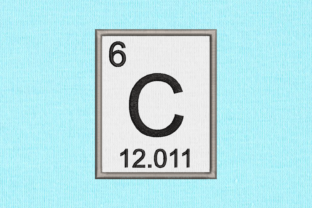
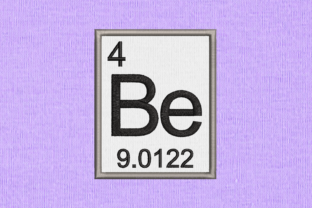
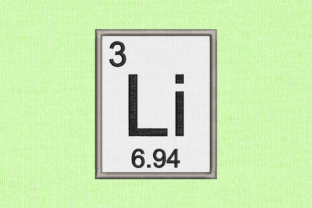
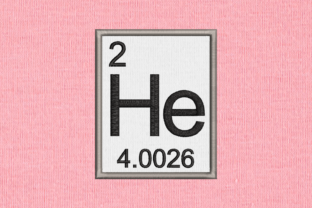
The immediate mood of this piece is academic yet approachable. It does not scream "textbook"; instead, it whispers "curiosity." The layout features the element’s letter symbol and atomic number, arranged in a way that feels familiar to anyone who has spent time in a chemistry lab. For a Back To School collection, this is gold. It taps into that specific nostalgia of classroom learning without feeling childish.
From a technical standpoint, the use of applique here is smart. By relying on a fabric patch for the main body of the element square, the design reduces stitch count significantly. This means less puckering on lightweight fabrics and faster production times for those of us running small batches. The contrast between the satin stitch border and the fill of the underlying fabric creates a nice tactile depth. It feels substantial, not flat.
Real-World Application: The Custom Tote Scenario
To truly test a machine embroidery design, you have to imagine it on a real product. I recently worked on a custom order for a local high school chemistry teacher who wanted personalized gifts for her AP students. The Periodic Element 5 B Boron Applique was the perfect candidate for a canvas tote bag.
Here is why it worked: Canvas is a textured, heavy fabric. A fully stitched design with high stitch density can sometimes look messy or cause the bag to stiffen uncomfortably. Because this is an applique design, the fabric patch lays smoothly over the canvas, and the surrounding satin stitches anchor it securely without overwhelming the material. The result was a crisp, professional-looking handmade product that looked like it came from a boutique rather than a home hobbyist. The students loved the personalization, and the teacher appreciated the durability.
Versatility Across Product Lines
Beyond tote bags, this design shines in several other areas. For sweatshirt embroidery, the applique method prevents the common issue of the design sinking into the fleece. The raised edge of the satin stitch keeps the symbol visible and tactile. If you are an Etsy seller or run a small shop, this versatility is crucial. You can offer the same digital embroidery file across multiple product types—hoodies, caps, and even embroidered patch blanks—without needing to drastically alter the settings for each.
For baby embroidery, such as onesies or bibs, the softness of the applique fabric against sensitive skin is a major selling point. Parents often worry about scratchy satin stitches on their infant’s chest. By using a soft cotton or flannel for the applique portion, you transform a standard design into a comfort-focused personalized gift.
Technical Considerations and Potential Pitfalls
While the design is robust, it is not without its challenges. As with any embroidery project, context matters. Here are a few scenarios where you need to proceed with caution:
- Fabric Texture and Contrast: Since the design relies on the contrast between the applique fabric and the background, choosing the wrong color combination can make the symbol disappear. If you are stitching on dark fabric, ensure your applique patch is light, or vice versa. Always test your thread colors against your base fabric before committing to a final piece.
- Small Hoop Sizes: If you are attempting to shrink this design for a small hoop, be wary of the text. The atomic number and symbol need enough space to remain legible. If the details become too small, the running stitch outlines may not register clearly, and the satin stitches could bunch up.
- Stretchy Fabrics: On knit fabrics like t-shirts, stabilization is non-negotiable. Even with applique, the tension from the satin border can cause distortion if the fabric is not properly supported. Use a cut-away stabilizer for garments that will be washed frequently to maintain the shape of the finished product.
- Curved Surfaces: Stitching this on a cap requires careful hooping. The flat, geometric nature of the periodic table square can look warped if the cap panel is not stabilized correctly. Take your time to center the design perfectly on the front panel.
Enhancing Brand Value and Customer Trust
For creative entrepreneurs and craft business owners, the quality of your design assets directly impacts your brand perception. A clean, well-digitized applique signals professionalism. When customers see consistent stitch quality and thoughtful design choices, they are more likely to trust your brand with larger orders.
The Periodic Element 5 B Boron Applique fits seamlessly into a cohesive collection. Imagine pairing it with other elements for a "Science Squad" set, or using it as a standalone accent for a minimalist aesthetic. This flexibility allows you to create varied printable mockup previews for your online store, showing the design on everything from kitchen towels to laptop sleeves. This visual variety drives buyer engagement and helps customers visualize the item in their own lives.
Designer Notes for Best Results
Before you load this embroidery file into your machine, take a moment to review these practical steps:
- Test on Scrap Fabric: Never skip this step. Check how the satin stitch interacts with your specific fabric type. Look for puckering or thread breaks.
- Check Licensing: If you plan to sell items made with this design, confirm the license terms. Most designers allow commercial use for physical products, but restrictions may apply to digital resale. Always verify before listing items as commercial embroidery products.
- Inspect Detail Clarity: Zoom in on the digitizing software. Ensure the jump stitches are minimized and the trim points are logical. This reduces thread waste and cleanup time.
- Contrast Testing: Create black and white mockups to ensure the design holds its shape even without color. This helps in selecting high-contrast fabric pairings for maximum visibility.
In conclusion, the Periodic Element 5 B Boron Applique is a solid addition to any designer’s library. It respects the intelligence of the wearer while offering the practical benefits of applique construction. Whether you are creating holiday embroidery gifts for science lovers or stocking your small shop product line with unique custom apparel, this design delivers both style and substance. Just remember to respect the materials, choose your stabilizers wisely, and let the clean geometry of the periodic table do the talking.