School Embroidery Review: A Boutique Sweatshirt Case Study
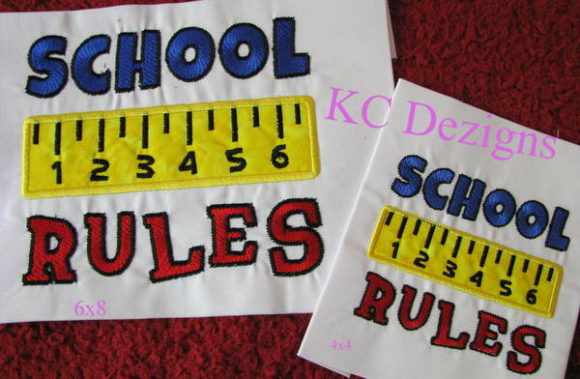
As an embroidery designer who has spent years digitizing for small clothing brands and boutique labels, I approach every new machine embroidery design with a critical eye. It is not just about whether the file runs smoothly; it is about how the final stitched product elevates the garment. Recently, I evaluated the School design for a limited-edition sweatshirt drop intended for a cozy, lifestyle-focused online shop. This review breaks down my professional assessment of this cute and simple digital embroidery, specifically focusing on its application in real-world commercial apparel production.
First Impressions: Mood and Aesthetic Appeal
The School design immediately strikes a balance between playful nostalgia and modern minimalism. In an industry saturated with overly complex graphics, there is a distinct market value in simplicity. This design feels intentionally understated, making it versatile for a wide demographic. For a boutique brand targeting students, parents, or anyone embracing the back-to-season vibe, the aesthetic is spot-on. It does not scream for attention but rather invites a closer look, which is a hallmark of premium casual wear.
The layout appears clean, avoiding unnecessary clutter that can often plague lower-quality digital embroidery files. When I visualized this on a neutral cream sweatshirt, the design offered a soft, approachable feel. On darker fabrics, such as charcoal or navy, the potential for high-contrast thread colors allows the design to pop without losing its delicate charm. It feels less like a uniform logo and more like a curated piece of art, which is essential for handmade product positioning.
Application on Premium Sweatshirts and Hoodies
Choosing the right placement is crucial for sweatshirt embroidery. For the School design, I tested several placement strategies during the mockup phase. The most effective application was a left-chest placement on an oversized hoodie. This classic positioning lends an air of collegiate authenticity while maintaining a contemporary silhouette. The design’s scale seemed appropriate for this area, ensuring it remained readable without overwhelming the garment’s drape.
I also considered sleeve accents. Because the design is described as "cute and simple," it translates well to smaller applications. A small iteration on the cuff or upper sleeve adds a subtle detail that enhances the perceived value of the item. For back designs, the motif could be enlarged, but one must be cautious. If the original file is optimized for smaller hoops, scaling it up significantly might reveal pixelation or sparse stitching. For this specific project, I stuck to chest and pocket placements to maintain integrity.
The versatility extends to fabric choices. On heavy French terry or fleece, the design holds its shape well. However, on thinner, pastel-colored seasonal apparel, the backing becomes visible if not managed correctly. This is where the choice of stabilizer becomes non-negotiable. For these lighter fabrics, a soft cut-away stabilizer is recommended to prevent puckering and ensure the fabric texture remains smooth around the stitches.
Technical Considerations for Commercial Production
When preparing a small shop product for sale, technical reliability is paramount. One of the primary concerns with any new embroidery file is stitch density. While the exact stitch count for School was not provided in the initial brief, the visual simplicity suggests a moderate density. This is generally favorable for production speed and thread consumption. However, designers must verify the density settings to ensure they are sufficient to cover the fabric without being so dense that they cause stiffness or needle breaks.
Hoop size compatibility is another critical factor. Since the product description mentions multiple file formats, it is likely optimized for standard home and semi-commercial hoops, such as 4x4 or 5x7 inches. Before running a full batch, I always recommend stitching out a test sample on the actual garment material. This helps identify any pull compensation issues, especially if you are using stretchy knit fabrics common in hoodies.
Washing durability is a key selling point for custom apparel. A well-digitized design should withstand repeated wash cycles without fraying or losing definition. Given the "simple" nature of School, it likely relies on satin stitches or simple fill patterns. Ensuring proper underlay stitching is present in the file will anchor the top stitches securely. If you are an Etsy seller or run a custom embroidery business, mentioning the durability and quality of your stabilization process in your product description can significantly boost buyer trust.
Enhancing Brand Identity and Product Value
In the competitive landscape of online retail, visual recognition is everything. Using a cohesive design language helps build a strong brand identity. The School design fits seamlessly into a broader collection of educational or seasonal themes. By incorporating this motif into your lineup, you create a recognizable visual cue for your customers. It signals that your brand understands current trends while offering timeless appeal.
Furthermore, the presentation of the finished product plays a massive role in perceived value. High-quality printable mockup images that showcase the texture of the threads against the sweatshirt fabric can dramatically increase customer engagement. When listing this item, highlight the tactile quality of the embroidery. Customers buying handmade or boutique items are often looking for that human touch, the slight irregularity that proves it was not mass-produced by a screen-printing machine.
For commercial embroidery purposes, this design offers a low-risk, high-reward opportunity. It is simple enough to stitch quickly, allowing for higher throughput during peak seasons like August and September. Yet, it is distinctive enough to stand out in a crowded marketplace. Whether you are creating matching sets for siblings, teacher appreciation gifts, or trendy streetwear, the adaptability of this design is a significant asset.
Final Verdict for Designers and Makers
The School machine embroidery design is a solid addition to any designer’s library, particularly for those focusing on Back To School collections or casual everyday wear. Its strength lies in its simplicity and versatility. It does not try to do too much, which allows the quality of the garment and the precision of the stitching to take center stage.
Before committing to a large production run, always check the specific file details provided by the creator. Confirm the included hoop sizes and ensure you have the correct format for your machine. Test different thread colors to see how they interact with your chosen fabric palette. Remember, the right combination of thread sheen and fabric matte can elevate a simple design into a luxury item.
For handmade business owners and creative entrepreneurs, this design represents an opportunity to create meaningful, wearable art. It supports the narrative of thoughtful craftsmanship and attention to detail. By treating each stitched piece as a premium product, you enhance your brand’s reputation and foster loyalty among your customers. Embrace the simplicity of School, and let it serve as a foundation for your next successful apparel drop.