Pencil Embroidery Design Review for School Projects
As an embroidery designer who spends countless hours digitizing and testing files, I approach every new download with a critical eye. We all know the struggle of finding a machine embroidery design that not only looks cute on the screen but stitches out cleanly on actual fabric. Recently, I explored the Pencil design available on Creative Fabrica, specifically looking at its potential for the upcoming Back To School season. If you are a small business owner, an Etsy seller, or a hobbyist looking to add some whimsical charm to your custom apparel, this review breaks down whether this design deserves a spot in your digital library.
First Impressions: Simplicity Meets Charm
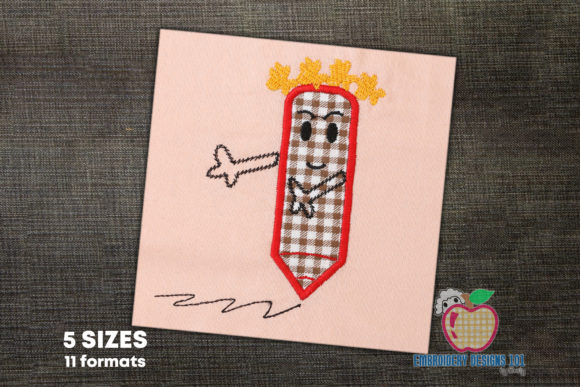
The first thing that strikes you about the Pencil design is its clean, uncomplicated aesthetic. In a market flooded with overly complex, high-density patterns, there is something refreshing about a motif that relies on strong lines and simple shapes. This design captures the nostalgic essence of school supplies without feeling cluttered. It features a classic pencil shape that is instantly recognizable, making it an ideal candidate for projects where clarity is key.
Visually, the design leans into a playful yet professional mood. It is not overly childish, which means it has versatility. It can work just as well on a toddler’s backpack as it can on a teacher’s tote bag or a stationery lover’s apron. The stitching personality appears balanced, avoiding the trap of being too sparse or unnecessarily dense. For those of us who value efficiency in our hoop time, a design like this promises a quicker stitch-out while still delivering a polished finished product.
Real-World Application for Handmade Products
When considering a new embroidery file, I always ask myself: "Where will this actually sell?" For Pencil, the applications are surprisingly broad within the education and craft niches. Here is how I envision using this design in real commercial embroidery projects:
- Custom Apparel: This design is perfect for sweatshirt embroidery. Placed on the left chest of a hoodie or centered on a t-shirt, it creates a subtle, academic vibe that appeals to students and teachers alike.
- Tote Bag Design: Canvas tote bags are a staple for back-to-school shopping. A large-scale version of this pencil motif can serve as a focal point, especially when paired with personalized lettering.
- Embroidered Patch: Because of its defined edges, this design would translate beautifully into an iron-on or sew-on patch. Patches are a huge trend right now, allowing customers to customize their own jackets or bags.
- Kitchen Towels and Aprons: For the "teacher gift" market, embroidering this onto a high-quality kitchen towel or a baking apron adds a thoughtful, handmade touch that mass-produced items lack.
- Nursery Decor: Softened with pastel thread colors, this motif can fit into a nursery theme, perhaps on a pillow cover or a baby blanket, celebrating the future scholar.
The versatility of the Pencil design means it is not limited to just August and September. With the right marketing and printable mockup presentation, it can be sold year-round as part of a "study hard" or "creative mind" collection.
Technical Performance and Stitching Considerations
A pretty picture does not always equal a good stitch-out. When evaluating Creative Fabrica embroidery assets, I look closely at stitch types and density. While specific technical data like exact stitch count should always be verified on the product page, we can make some educated assumptions based on the visual structure of the design.
The design likely utilizes a combination of satin stitch for the borders and outlines, providing that crisp, raised look that defines the shape. The body of the pencil may use a fill stitch or a simpler running stitch depending on the size. For smaller hoop sizes, such as a 4x4 inch hoop, you must ensure that any text or fine details remain legible. Tiny lettering can easily become a blob of thread if the stitch density is too high or if the fabric shifts.
One critical factor is fabric choice. This design should perform well on stable fabrics like cotton twill, denim, or canvas. However, if you are planning to stitch it on stretchy fabric like a jersey t-shirt, using the correct stabilizer is non-negotiable. A cut-away stabilizer is often recommended for garments that will be washed frequently, ensuring the design does not pucker or distort over time. For textured fabrics, such as towels, you might need a water-soluble topping to prevent the stitches from sinking into the pile.
If you are applying this to curved surfaces, like a cap, pay attention to the hoop size and the placement. Curved caps require careful hooping to avoid registration issues. Always test on scrap fabric first. This allows you to check thread color contrast and adjust tension settings before committing to your final garment.
Enhancing Product Value and Brand Consistency
For creative entrepreneurs, the goal is not just to stitch a design, but to create a product that commands a fair price. A well-executed Pencil embroidery can significantly enhance buyer trust. When customers see clean, consistent stitching with no loose threads or jumps, they perceive higher quality. This perception allows you to position your handmade product as a premium item rather than a generic commodity.
Visual appeal is crucial for online sales. When photographing your items, consider the context. A pencil design stitched on a yellow thread against a navy blue sweatshirt creates a striking contrast that pops in thumbnail images. Consistency in your brand presentation—using similar color palettes and styling across your Etsy listings or boutique merchandise—helps build a recognizable identity. This design fits seamlessly into a cohesive collection of school-themed design assets.
Moreover, the "giftability" factor is high. Personalized gifts, such as adding a student's name next to the pencil, increase the emotional value of the item. Customers are willing to pay more for items that feel unique and tailored to their needs. By offering this as part of a custom order, you engage customers on a deeper level, fostering loyalty and repeat business.
Practical Tips for Best Results
To ensure success with this or any digital embroidery file, follow these practical steps before launching your product line:
- Verify File Details: Always check the Creative Fabrica product page for the included formats. Ensure your machine can read the specific file type provided.
- Check Licensing: Confirm the license terms. Most Creative Fabrica designs allow for commercial use on physical products, but it is vital to read the specific agreement to protect your business.
- Test Stitch Density: Run a test stitch on the same fabric you plan to sell. Look for puckering or thread breaks. Adjust your tension if necessary.
- Color Contrast: Experiment with different thread combinations. High contrast works for visibility, while tonal colors offer a subtle, sophisticated look.
- Mockup Variety: Create mockups on both light and dark fabrics. This helps potential buyers visualize the design on their preferred colorways.
In conclusion, the Pencil design is a solid addition to any embroidery designer’s toolkit, particularly for those targeting the Back To School market. Its simplicity allows for versatility, while its charm appeals to a wide demographic. By paying attention to technical details like stabilizer choice and stitch density, you can transform this simple digital asset into a high-value custom apparel item or cherished gift. As with any project, the key lies in the execution—take the time to test, refine, and present your work with professionalism, and this design will surely become a staple in your shop.