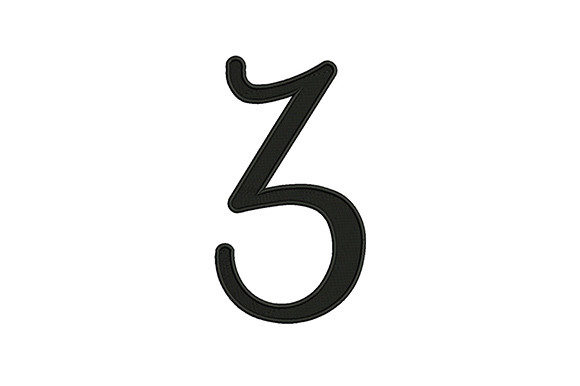
Reviewing Number 3: A Practical Look for Back-to-School Projects
As a designer who has spent years digitizing patterns and testing them on everything from flimsy rayon to heavy denim, I have learned that simplicity is often the hardest thing to get right. When I first loaded the Number 3 embroidery design into my software, I was looking for more than just a digitized numeral. I was looking for character, balance, and versatility. In the world of machine embroidery, numbers are ubiquitous, but they are rarely exciting. However, this particular design caught my eye because it promises to be perfect for back-to-school projects while remaining flexible enough for year-round use.
I decided to put Number 3 through its paces, not just as a digital file on a screen, but as a tangible element in real-world products. My goal was to determine if this embroidery file could hold its own in a competitive market, whether for an Etsy seller launching a new collection or a hobbyist making personalized gifts for family.
First Impressions: Mood and Visual Personality
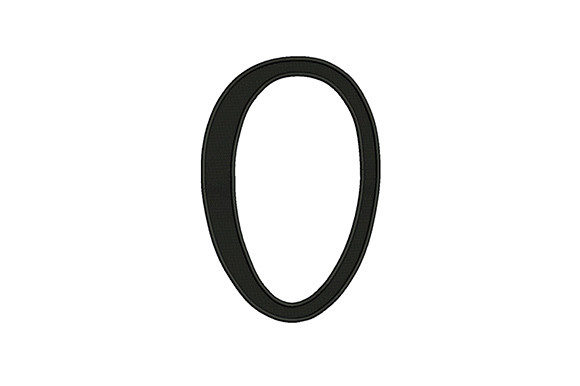
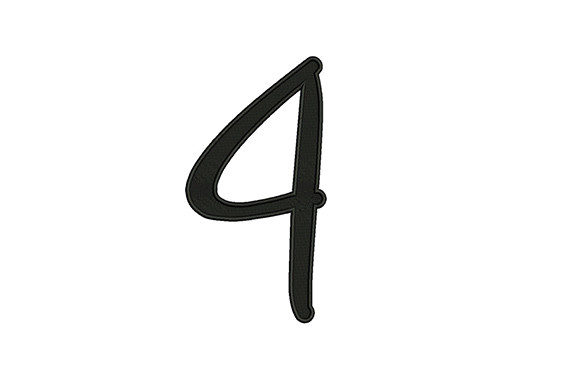
The immediate impression of Number 3 is one of approachable cleanliness. It does not rely on excessive flourishes or overly complex satin borders that can easily bunch up or distort. Instead, it presents a solid, confident shape that reads well from a distance. This is crucial for school-themed items where visibility matters. The layout feels balanced, avoiding the common pitfall of top-heavy or bottom-light numerals that can look awkward when stitched onto curved surfaces like sleeves or caps.
For a designer, the visual personality here is "friendly utility." It is not trying to be high-fashion avant-garde, nor is it childish to the point of being limiting. This neutrality is its strength. It allows the thread colors and fabric texture to do the heavy lifting in terms of style definition. Whether you choose a varsity-style wool blend for a jacket or a soft pastel cotton for a baby item, the design adapts without losing its integrity.
Real-World Application: The Tote Bag Test
To truly evaluate how Number 3 performs, I simulated a common commercial scenario: creating a custom embroidered tote bag for a local boutique. Tote bags are a staple for craft business owners because they are high-visibility items. I selected a medium-weight canvas, which is a popular choice for tote bag design due to its durability and ease of stitching.
During the stitching process, I paid close attention to the stitch density. One of the risks with simple designs is that they can look sparse or cheap if the density is too low, or they can cause puckering if too high. Number 3 seemed to strike a good middle ground. On the canvas, the fill stitches laid flat, creating a smooth surface that felt substantial to the touch. The edges were clean, suggesting that the underlay stitches were sufficient to anchor the design without requiring excessive pull compensation adjustments.
The result was a professional-looking finished product that looked like it belonged in a retail setting rather than a homemade craft fair bin. This level of polish is what builds customer trust. When a buyer sees crisp lines and consistent coverage, they perceive higher value. For an Etsy seller, this translates directly into better reviews and repeat business.
Versatility Across Product Categories
While the primary category for this design is School, its utility extends far beyond the classroom. I evaluated how Number 3 would translate across various embroidery project types:
- Custom Apparel: On a sweatshirt, the design holds up well against the fuzzy texture of fleece. It works beautifully for sweatshirt embroidery, especially when placed on the sleeve or chest. For t-shirts, however, care must be taken with stabilizer choice to prevent distortion on stretchy fabrics.
- Baby Items: For baby embroidery, such as onesies or burp cloths, the simplicity of the number is an asset. It avoids bulky seams that might irritate sensitive skin. Using soft, high-sheen rayon threads can elevate the look, making it suitable for milestone markers or personalized gifts.
- Home Decor: I imagined this on a kitchen towel or a pillow cover. In these contexts, the design acts as a modern accent. It pairs well with monograms or names, serving as a foundational element in a larger composition.
- Patches and Appliques: Although primarily a standard stitch design, the clear outlines of Number 3 make it a candidate for conversion into an applique design if desired. Alternatively, it can be stitched directly onto felt or twill to create durable embroidered patch options for jackets and backpacks.
Technical Considerations and Potential Pitfalls
No design is universal, and honest review requires highlighting where caution is needed. While Number 3 is robust, there are specific scenarios where it requires careful handling.
Fabric Texture and Color: On dark fabrics, contrast is key. If you use dark thread on black denim, the details may get lost. I recommend testing thread color combinations extensively. A slight sheen difference between thread and fabric can sometimes hide detail, so using a contrasting topstitch or ensuring high-quality lighting in your printable mockup photos is essential.
Small Hoop Sizes: If you are working with a small hoop, ensure that the scale of the number remains legible. Tiny details can merge if the design is scaled down too aggressively. Always check the smallest recommended size provided by the digitizer before committing to a project.
Stabilizer Selection: Because this design likely uses a combination of satin stitch borders and fill stitch interiors, proper stabilization is non-negotiable. For knit fabrics, a cut-away stabilizer is usually safer than tear-away to maintain shape after washing. For woven fabrics like towels, a tear-away might suffice, but always test on scrap fabric first.
Commercial Viability and Brand Consistency
For those running a small shop product line, consistency is vital. Number 3 offers a reliable aesthetic that can be part of a broader suite of design assets. If you are selling a series of numbered items—such as sports jerseys, classroom decor, or advent calendars—having a number set that shares the same visual DNA is crucial for brand recognition.
This design supports that need. It is clean enough to pair with other fonts or graphics without clashing. When creating digital embroidery file bundles, including a versatile number like this can increase the perceived value of the package. It signals to buyers that you understand the practical needs of garment decoration.
Final Verdict and Designer Notes
After evaluating Number 3 from multiple angles, I find it to be a solid addition to any embroiderer’s library. It is not flashy, but it is dependable. It solves the problem of finding a numeral that looks good on both casual and semi-formal items. For back-to-school season, it is an obvious choice, but its longevity lies in its adaptability for birthdays, anniversaries, and everyday personalization.
Before you begin your next project, keep these practical notes in mind:
- Test on Scrap: Always stitch a test sample on the actual fabric you intend to use. This helps you adjust tension and density if needed.
- Check Licensing: Confirm the license terms included with the file. Most commercial embroidery designs allow you to sell finished physical items, but restrictions may apply to sharing the digital file itself.
- Contrast Matters: Use high-contrast thread colors for maximum visibility, especially on textured fabrics like towels or fleece.
- Hoop Size: Ensure your hoop size accommodates the design with enough margin for stable clamping.
In conclusion, Number 3 is a practical, well-digitized tool for creators. It respects the limitations of the medium while maximizing visual impact. Whether you are a seasoned professional managing large orders or a hobbyist making a special gift, this design delivers the clarity and professionalism that modern embroidery customers expect.