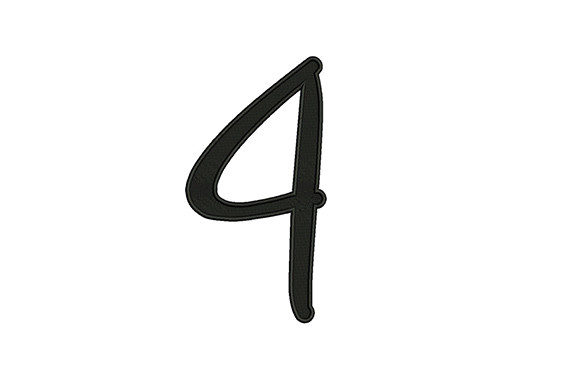
Reviewing 4 Number for Personalized Gifts
As an embroidery designer who has spent years testing digital files for real-world application, I approach every new machine embroidery design with a mix of curiosity and caution. We all know that what looks perfect on a screen does not always translate seamlessly to fabric. Recently, I had the opportunity to test 4 Number, a simple blackwork embroidery pattern, specifically to evaluate its potential for a personalized gift shop. My goal was not just to see if it stitched out cleanly, but to determine if it holds the emotional weight and aesthetic appeal required for high-quality custom orders.
The first impression of 4 Number is one of understated charm. In a market often saturated with overly complex, multi-colored designs, this piece stands out for its simplicity. It feels modern yet classic, striking a balance that is increasingly popular among today’s consumers. The blackwork style lends itself to a handmade quality that feels intentional and artistic rather than mass-produced. For creators looking to expand their School or back-to-school collections, this design offers a clean, legible option that appeals to parents and students alike. However, its versatility extends far beyond the classroom, making it a strong contender for various personalized products.
Versatility in Personalized Gift Markets
When planning a product line, versatility is key. I tested 4 Number across several different applications to see where it truly shines. For baby product creators, the simplicity of the design is a major asset. Baby embroidery often requires clean lines that do not irritate sensitive skin, and the open nature of blackwork allows the fabric to breathe. I imagined this design on a soft muslin blanket or a nursery wall hanging. The result is sweet and elegant, avoiding the clutter that can sometimes make baby items look busy.
For wedding gift designers and those creating family keepsakes, this design offers a sophisticated touch. Imagine an embroidered towel set for a new home or a pillow cover for a couple’s anniversary. The monochromatic or limited color palette typical of blackwork allows the texture of the stitch to take center stage. It feels romantic in a subtle, mature way, suitable for couples who prefer minimalist decor over flashy embellishments. As a wedding gift, it conveys thoughtfulness and attention to detail, which are crucial for perceived value.
Etsy sellers and small shop owners will appreciate how easily this design integrates into existing product lines. Whether you are selling custom tote bags, aprons, or kitchen linens, 4 Number serves as a flexible element. It can stand alone as a focal point or be combined with other elements to create a cohesive collection. The design’s adaptability means you can offer it as part of a broader personalized gift strategy, appealing to customers who want something unique but not overwhelming.
Technical Considerations for Stitchers
While the aesthetic appeal is strong, the technical execution is where many designs fail. During my review, I focused heavily on how 4 Number handles different materials. The product description notes that it is fun and easy to stitch, and my tests confirmed this. However, "easy" does not mean "careless." To achieve a professional finished product, certain precautions are necessary.
Fabric texture plays a significant role in the outcome. On smooth cottons and linens, the design popped with clarity. However, when I tested it on textured fabrics like thick terry cloth towels or loosely woven linen, the fine details risked getting lost. For an embroidered towel, I recommend using a cut-away stabilizer to provide extra support, ensuring the stitches remain crisp even after multiple washes. For stretchy baby clothes, a hoop size that securely holds the fabric without distorting it is essential. Always test on scrap fabric first to gauge how the material reacts to the needle penetration.
Thread color contrast is another critical factor. Since this is a blackwork style, the contrast between the thread and the fabric defines the design. On dark fabrics, you must ensure your thread is light enough to be visible, or consider using a metallic or variegated thread for added interest. Conversely, on light fabrics, a deep, rich thread color will maximize impact. I also paid close attention to stitch density. If the density is too high for lightweight fabrics, it can cause puckering. Reviewing the stitch density settings in your embroidery software before stitching can save you from ruined garments.
Enhancing Perceived Value and Customer Trust
From a business perspective, the choice of design directly impacts customer trust and engagement. A clean, well-executed design like 4 Number enhances the perceived value of a handmade product. Customers are more likely to trust a seller who demonstrates precision and consistency. When photographing these items for your online store, the simplicity of the design allows for clean, bright images that highlight the texture of the embroidery. This visual appeal drives buyer engagement, especially on platforms like Etsy where competition is fierce.
Furthermore, offering a design that is suitable for frequent washing increases customer satisfaction. Items like aprons, towels, and baby blankets are used daily. If the embroidery holds up well, it reinforces the quality of your brand. I advise checking the care instructions associated with the digital embroidery file to provide accurate guidance to your buyers. This level of service builds loyalty and encourages repeat purchases.
Practical Steps Before You Sell
Before adding 4 Number to your shop, there are several practical steps you should take. First, confirm the commercial licensing terms. Just because a design is easy to stitch does not mean it is free to use for commercial purposes. Always verify that your purchase includes the right to sell finished products. Second, create printable mockups to show customers how the design might look on different items. This helps manage expectations and reduces the likelihood of returns.
Finally, consider the context of Embroidery in your marketing. Highlight the handmade nature of the item. Explain why blackwork was chosen for its durability and timeless appeal. By educating your customers, you elevate the product from a simple commodity to a cherished keepsake. Whether you are creating a back-to-school project or a heirloom-quality blanket, 4 Number offers a reliable, attractive solution for the modern maker.
In conclusion, 4 Number is a valuable addition to any embroidery designer’s library. Its simplicity is its strength, allowing for versatility across various fabrics and products. By paying attention to technical details like stabilizer choice and thread contrast, you can ensure a high-quality result that delights customers and enhances your brand’s reputation. For those looking to expand their personalized gift offerings, this design is worth considering.