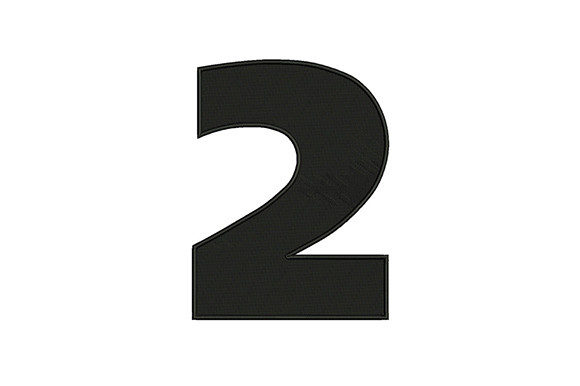
Reviewing Number 2 for Craft Fair Success
As an embroidery designer who has spent countless weekends behind a booth table, I know that not every design translates into sales. Some look beautiful on a screen but fail to catch the eye of a passing customer. Today, I am putting Number 2 under the microscope. This blackwork embroidery design promises to be fun and easy to stitch, positioning itself as a perfect fit for any back-to-school project. But does it have the commercial viability needed for a busy handmade market? Let’s break down its potential for craft fair sellers, Etsy shop owners, and boutique makers.
First Impressions: The Power of Blackwork Simplicity
The immediate appeal of Number 2 lies in its aesthetic clarity. Blackwork is a timeless technique that relies on high contrast and geometric precision. In a crowded marketplace, simplicity often wins. When I visualize this design on a display table, it does not scream for attention with chaotic colors; instead, it draws the eye through clean lines and bold structure. It feels modern, minimal, and slightly academic, which aligns perfectly with the current trend toward understated, premium handmade goods.
For a Back To School collection, this vibe is invaluable. Parents and students are often looking for items that feel mature yet playful. Number 2 strikes that balance. It is not overly childish, making it suitable for older students, teachers, and even adults who appreciate a nod to the season without the typical primary-color overload. As a machine embroidery design, its blackwork nature suggests a lower stitch count compared to full-fill satin designs, which is a significant advantage for production speed.
Product Versatility: Where Does It Shine?
To maximize revenue, we need to place Number 2 on products that highlight its strengths. Here is how it performs across various popular craft fair product categories:
- Tote Bags: This is arguably the best home for this design. A canvas tote with a crisp blackwork number or motif looks sophisticated. The tote bag design benefits from the flat surface, allowing the geometric lines to remain sharp. It appeals to college students and teachers carrying books or supplies.
- Aprons and Tea Towels: For the home economics angle, apron embroidery using this design adds a personalized touch. On linen or cotton tea towel embroidery, the black thread against white or natural fabric creates a striking farmhouse-modern look. These make excellent impulse buys at markets.
- Embroidered Patches: If you offer custom patches, Number 2 is ideal. Patches are low-commitment purchases for customers. The design’s clarity ensures it remains legible even at smaller sizes, provided the stitch density is managed correctly.
- Caps and Beanies: While possible, curved surfaces require caution. Blackwork can look distorted if the fabric pulls too much. However, on a structured cap, it can serve as a stylish, minimalist accent.
Production Practicality for Small Shop Owners
For an Etsy seller or a small shop owner, time is money. The description notes that this Embroidery is "fun and easy to stitch." In practical terms, this usually means fewer thread breaks, less trimming, and faster hoop-up times. When preparing for a weekend fair, being able to batch-produce twenty identical items quickly is a massive advantage.
Since the product comes with multiple embroidery file formats, compatibility with major machines is likely covered. However, always verify the specific hoop size requirements. If Number 2 is designed for a 4x4 hoop, it limits your ability to scale up for large pillows. If it fits a 5x7 or 6x10, you have more flexibility for larger finished product items like pillow covers or market bags.
Photography is another critical factor. High-contrast blackwork photographs exceptionally well. It creates strong shadows and definition in natural light, which means your printable mockup images and online listings will look professional with minimal editing. This visual appeal directly impacts buyer engagement and perceived value.
Careful-Use Notes and Technical Considerations
While Number 2 is user-friendly, there are technical pitfalls to avoid. Blackwork relies on the interplay of thread and fabric. Here are key considerations for maintaining quality:
- Fabric Texture: Avoid highly textured fabrics like thick terry cloth towels unless you test extensively. The fine lines of blackwork can get lost in deep piles. Smooth cotton, linen, or canvas is preferred.
- Thread Contrast: Stick to high-contrast combinations. Black thread on white, cream, or light gray fabric works best. Using dark thread on dark fabric will render the design invisible from a distance.
- Stabilizer Selection: Even with simple designs, proper stabilization is crucial. Use a cut-away stabilizer for stretchy fabrics like tote bags that will bear weight, and tear-away for stable woven fabrics like aprons. This prevents puckering and ensures the handmade product looks premium.
- Scale and Clarity: If you shrink the design for small pouches or tags, ensure the details do not merge. Tiny lettering or intricate geometric fills can become a blob of thread if scaled down too far. Always stitch a test sample on scrap fabric first.
Enhancing Brand Consistency and Booth Display
Incorporating Number 2 into your lineup can strengthen your brand identity. If your shop focuses on modern, minimalist, or educational themes, this design acts as a cohesive element. It pairs well with other design assets such as simple typography or botanical line art.
For your booth display, use Number 2 as a focal point. Create a "Back to School" section featuring embroidered pencil cases, notebooks with embroidered covers, and tote bags. The uniformity of the blackwork style creates a visually pleasing grid effect on your table, which attracts customers who appreciate order and design integrity. It signals that you are a serious commercial embroidery provider who cares about aesthetics.
Final Verdict for Creative Entrepreneurs
Number 2 is a strong contender for your upcoming season. Its strength lies in its versatility and ease of production. It is not just a digital embroidery file; it is a tool for creating high-margin, visually striking products. Whether you are selling at a local fair or listing on Etsy, this design offers the clarity and speed necessary for successful small-scale manufacturing.
Before you launch, remember to check the specific license terms included with your download. Ensure you have the right to sell finished product items made with this design. Once confirmed, stitch your samples, curate your thread colors, and prepare your marketing materials. With the right presentation, Number 2 can become a staple in your small shop product lineup, driving sales through its blend of classic style and modern convenience.