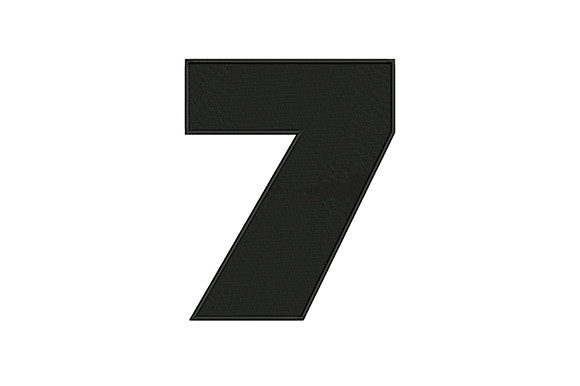
Bold Number 7: A Designer’s Review for Craft Fairs
As an embroidery designer who has spent countless weekends behind a booth table, I know that not every machine embroidery design is created equal. Some are beautiful on a screen but disappear in person. Others are so dense they pucker the fabric before you even hoop it. When I pulled up Bold Number 7 to evaluate it for my upcoming back-to-school collection, I was looking for more than just aesthetics. I was looking for a workhorse. I needed a design that could carry a product line, photograph well for my online store, and stitch out reliably during a high-volume production week.
This blackwork number design immediately caught my eye because of its inherent versatility. In the world of handmade goods, numbers are surprisingly powerful. They are personal, functional, and universally understood. Whether it is a jersey number, a house number, or simply a lucky digit, customers connect with them instantly. Here is my professional breakdown of how Bold Number 7 performs in real-world scenarios, from the sewing room to the craft fair floor.
First Impressions: Modern Minimalism Meets Utility
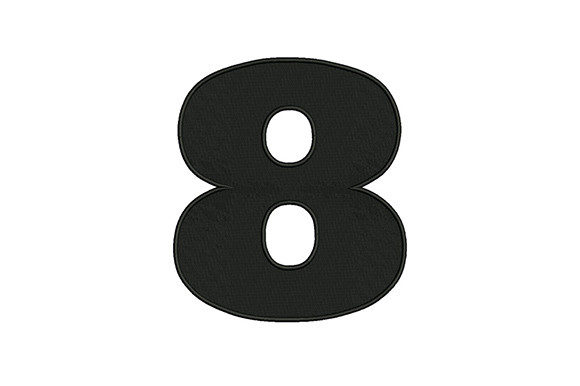
The first thing you notice about Bold Number 7 is its clarity. Described as a high-quality blackwork embroidery, it leans into a modern, graphic aesthetic. It does not try to be overly cute or excessively ornate. Instead, it offers a clean, bold presence that reads well from a distance. This is crucial for a craft fair environment where you have seconds to catch a passerby’s eye.
The blackwork style suggests a certain elegance and simplicity. It feels premium without being fussy. For a Back To School theme, this is ideal. Parents and students alike are moving away from cluttered, cartoonish designs toward sleek, personalized items. A bold number allows the customer to project their own meaning onto the product. It feels contemporary, making it suitable for teenagers and adults, not just young children. This broadens your potential customer base significantly, turning a seasonal item into a year-round seller.
Product Applications: Where This Design Shines
The description notes that this embroidery file stitches out nicely on a variety of fabrics. In my experience, this is the key to profitability. You do not want a design that only works on one specific type of cotton. Let us look at where Bold Number 7 creates the most value.
- Tote Bags and Market Bags: This is perhaps the strongest application. A large, bold number centered on a canvas tote creates an instant statement piece. It is perfect for students carrying books or shoppers wanting a personalized grocery bag. The blackwork style contrasts beautifully against natural canvas or bright colored fabrics.
- Aprons and Tea Towels: For the kitchen enthusiast, numbering aprons adds a touch of bistro charm. Imagine a set of tea towels with different numbers, or an apron with a single bold digit. It transforms a basic household item into a giftable handmade product.
- Embroidered Patches: If you sell accessories, this design is perfect for patches. It is compact enough to fit on a denim jacket or backpack yet bold enough to remain legible. Patches are low-cost, high-margin items that serve as excellent impulse buys at your booth.
- Caps and Hats: Curved surfaces can be tricky, but a simple number often works better than complex logos. Ensure you check the hoop size compatibility, but generally, a single digit centers perfectly on a baseball cap front.
Production Practicality for Small Shops
For any Etsy seller or boutique maker, time is money. Bold Number 7 appears to be designed for efficiency. Blackwork typically utilizes running stitches and satin borders, which can mean faster stitch-out times compared to heavy fill designs. This allows for batch production. You can hoop five tote bags, start the machine, and move on to packaging while it runs.
However, practical selling points go beyond speed. The design must be easy to understand at a glance. There is no cognitive load for the customer; they see the number, they like the style, they buy it. It photographs exceptionally well for printable mockup creation and digital listings because the lines are crisp. High contrast between the thread and fabric ensures your online images look professional and sharp, reducing the likelihood of returns due to "unexpected appearance."
Careful-Use Notes and Technical Considerations
While the design is robust, no digital embroidery file is immune to poor execution. Here are my technical notes for ensuring the best finished product:
- Fabric Texture and Density: Blackwork relies on clear lines. On highly textured towels or thick fleece, the fine details might get lost. Always test on your intended fabric. If using terry cloth, consider a slightly larger size to maintain clarity.
- Stitch Density: Check the stitch density settings. If the design is too dense for lightweight fabrics like chiffon or thin cotton, it may cause puckering. Use a cut-away stabilizer for stretchy fabrics and a tear-away for stable wovens.
- Thread Contrast: Since this is a blackwork style, thread choice is critical. High contrast is key. Black thread on white fabric is classic, but navy on cream or red on denim also works. Avoid low-contrast combinations unless you are aiming for a subtle, tonal look.
- Small Sizes: If you plan to shrink this for a small pocket logo, ensure the lines do not merge. Tiny details can become a blob of thread if the design is scaled down too far without adjusting stitch length.
Boosting Visual Appeal and Brand Consistency
Using Bold Number 7 consistently across your product line strengthens your brand identity. If you offer personalized items, having a reliable, high-quality number font allows you to create cohesive sets. A matching tote, pencil case, and water bottle sleeve all featuring the same bold number style look like a curated collection rather than random items. This increases the perceived value and encourages bundle purchases.
Furthermore, this design supports strong booth display strength. Large, numbered items create a visual rhythm on your table. They draw the eye and invite customers to look for their own number or lucky digit. It sparks conversation, which is the primary driver of sales at physical markets. Customer engagement increases when they can interact with the product personally, searching for their specific number.
Final Designer Verdict
Before you launch your next craft fair product line, remember to verify the specific technical details. The provided description confirms it is a high-quality blackwork design suitable for various fabrics, but it does not specify exact stitch counts, file formats, or license terms. As a responsible commercial embroidery practitioner, you must check these details. Confirm that you have the appropriate commercial license to sell finished goods. Download the design assets and run a test stitch on scrap fabric. Check the tension, review the spacing, and ensure the thread colors you plan to use complement the design.
Bold Number 7 is a strategic addition to any small shop product lineup. It balances aesthetic appeal with production efficiency. It is versatile enough for tote bag design, apron embroidery, and tea towel embroidery, making it a true multi-purpose asset. By focusing on clean lines and bold presentation, this design helps you create professional, high-value items that stand out in a crowded market. Whether you are preparing for the back-to-school rush or building a year-round inventory of personalized gifts, this number design offers the reliability and style needed to succeed.
In the end, the best designs are those that make your life easier and your products more desirable. Bold Number 7 achieves both. It is a tool that, when used with care and creativity, can significantly enhance your handmade product offerings and drive sales through clear, confident visual communication.