Apple Applique: A Designer’s Review for Craft Fairs
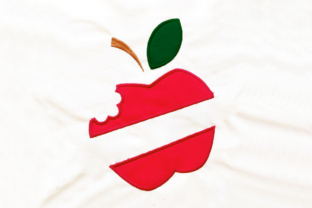
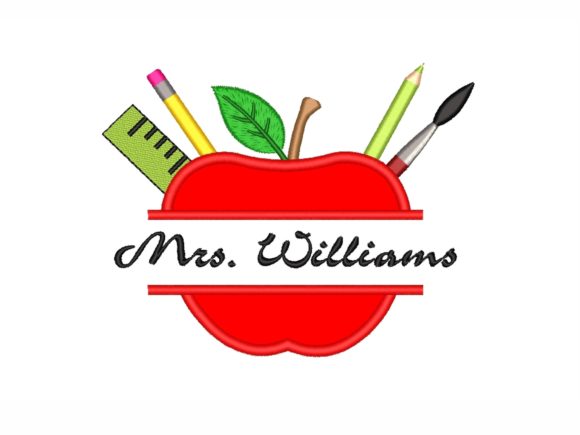
As an embroidery designer who has spent countless weekends standing behind booth tables, I know that not every design translates into a bestseller. Some designs look beautiful on a screen but vanish in person. Others are so complex they take hours to stitch, eating into your profit margins. When I first loaded the Apple Applique onto my machine, I was looking for that sweet spot between visual impact and production efficiency. This colorful and cute embroidery of a split apple is positioned squarely in the Back To School category, but its appeal extends far beyond just August and September.
In this review, I am evaluating this machine embroidery design from the perspective of a craft fair seller and small shop owner. We need to know if it will stop shoppers in their tracks, how it performs on various textiles, and whether it is practical for batch production. Let’s dive into the details of what makes this design a potential staple for your handmade product line.
First Impressions: Bold, Cute, and Market-Ready
The immediate impression of the Apple Applique is one of cheerful simplicity. It does not try to be overly realistic or intricate. Instead, it leans into a stylized, graphic aesthetic that reads well from a distance. In a busy craft fair environment, clarity is king. Shoppers scan tables quickly. A design that is too dense or detailed often gets lost unless the customer is leaning in with a magnifying glass. This design, however, offers bold shapes and high contrast.
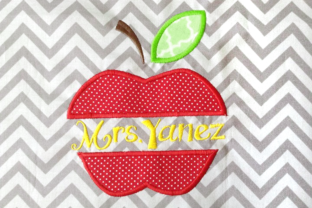
The "split apple" concept adds a layer of visual interest that a standard whole apple lacks. It suggests freshness and readiness, which aligns perfectly with the Back To School theme. The color palette implied by the description suggests vibrancy. For an Etsy seller or boutique maker, this means the design photographs well. Bright, saturated thread colors pop against neutral fabrics, creating eye-catching images for your online listings and printable mockups.
Versatility Across Product Lines
One of the strongest assets of this design is its adaptability. As a handmade product creator, you need designs that can work across multiple categories to maximize your return on investment. Here is how the Apple Applique performs on common craft fair items:
- Tote Bags: This is arguably the best home for this design. A canvas tote bag provides a large, flat surface where the applique can shine as a focal point. It transforms a basic bag into a personalized school accessory or grocery runner.
- Aprons: Kitchen aprons benefit from the playful nature of the apple. Placed on the bib or the lower pocket, it adds a charming touch that appeals to teachers and home cooks alike.
- Tea Towels: For tea towel embroidery, scale is critical. If the design is available in smaller sizes, it works beautifully as a corner accent. However, ensure the stitch density is not too high, as thin cotton towels can pucker under heavy stitching.
- Embroidered Patches: If you create iron-on or velcro patches, this design is ideal. The distinct outline of the split apple makes for a clean edge when cut. Patches are low-commitment purchases for customers, making them great impulse buys at your booth.
- Caps and Hats: Embroidering on curved surfaces requires caution. The applique technique helps here because it reduces the total stitch count compared to a fully filled satin stitch design. However, you must use a strong stabilizer to prevent distortion on the cap’s front panel.
- Pillow Covers and Pouches: These items allow for creative placement. A small pouch with a single apple motif makes for a perfect teacher gift or pencil case.
Production Practicality for Small Shops
For those of us running small shop products, time is money. The description notes that this is an applique design. Typically, applique designs are faster to stitch than full-fill designs because large areas are covered by fabric rather than thread. This significantly reduces machine run time and thread consumption. This efficiency allows you to produce more finished products in less time, increasing your inventory for upcoming markets.
Furthermore, the design comes with multiple embroidery file formats. This is crucial for compatibility. Whether you use Brother, Janome, Husqvarna, or Bernina machines, having the correct digital embroidery file ensures smooth loading and fewer technical glitches during production. Always check the included hoop size options. If the design is only available in a large hoop, you may be limited in the small goods you can produce, such as coin purses or baby bibs.
Visual Appeal and Customer Engagement
Why does this design sell? It triggers nostalgia and seasonal excitement. The back-to-school season is a major retail event. Parents, grandparents, and teachers are actively seeking unique, handmade items that mass-produced retailers do not offer. The Apple Applique serves as a recognizable symbol of education and autumn harvests. It feels premium yet approachable. When displayed in a booth, it adds a cohesive theme to your table. Grouping apple-themed items together creates a "collection" feel, which encourages buyers to purchase multiple items rather than just one.
Careful-Use Notes and Technical Considerations
While the design is strong, there are technical aspects you must manage to ensure professional quality. Here are my designer notes for executing this design flawlessly:
- Fabric Texture and Contrast: Applique relies on the contrast between the applique fabric and the background fabric. If you stitch a red apple on a dark red shirt, it will disappear. Choose background fabrics that allow the apple to stand out. Light creams, navies, and whites are safe bets.
- Stitch Density: Even though it is an applique, the tack-down stitches and border stitches matter. If the stitch density is too high for lightweight fabrics like chiffon or thin cotton, the fabric will pucker. Always test on scrap fabric first.
- Stabilizer Selection: Do not skimp on stabilizer. For tote bags and aprons, a medium-weight cut-away stabilizer is often best to maintain shape after washing. For tea towels, a tear-away might suffice, but test for residue.
- Small Details: Check the stem and leaf areas. If these are very small, they may not stitch out cleanly on textured towels or thick denim. Ensure your needle is sharp and appropriate for the fabric type.
- Commercial Licensing: Before selling any finished product, confirm the commercial licensing terms of the digital embroidery file. Most designers allow physical sales but prohibit sharing the file itself. Keep your license documentation handy for peace of mind.
Final Verdict for Craft Fair Sellers
The Apple Applique is a solid addition to any embroidery business owner’s library. It balances aesthetic charm with production practicality. It is easy to understand at a glance, which is vital for quick sales in a crowded market. It photographs beautifully for your Etsy seller profile, helping drive online traffic during the off-season. By using this design on high-margin items like tote bags and custom aprons, you can create a cohesive, attractive product line that resonates with customers looking for quality handmade goods.
Remember to create at least one real mockup before committing to a large batch. Sew a sample on the exact fabric you plan to sell. Check the thread colors against your brand palette. If the design fits your brand consistency and booth display strength, it is ready to become a staple in your shop. With careful attention to hoop size, stabilizer, and fabric choice, this design can help you create the most amazing personalized items that customers will love to take home.