Apple Split Applique Embroidery: A Designer’s Review
As an embroidery designer who has spent years digitizing files for small businesses, I approach every new machine embroidery design with a critical eye. It is not enough for a pattern to look cute on a screen; it must perform flawlessly on fabric, withstand commercial washing, and elevate the brand identity of the client using it. Recently, I evaluated the Apple Split Applique Embroidery file, and I want to share my professional perspective on how this asset functions in a real-world commercial environment.
This is not just a decorative element; it is a strategic tool for small business merch. Whether you are running an Etsy shop, managing a local boutique, or creating custom uniforms for a café, understanding the technical and aesthetic nuances of this design is crucial before you hit "start" on your machine.
First Impressions: Visual Personality and Brand Fit
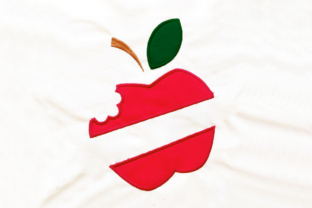
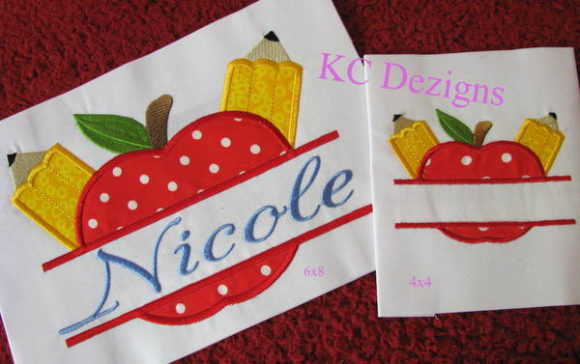
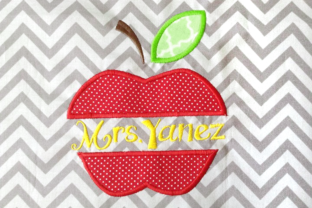
The first thing that strikes me about the Apple Split Applique Embroidery is its versatility. The concept of an apple with a split middle is inherently inviting. It feels friendly, approachable, and slightly playful, yet it maintains a clean, modern structure that prevents it from looking childish. For brands aiming for a rustic, handmade, or educational vibe, this design hits the sweet spot.
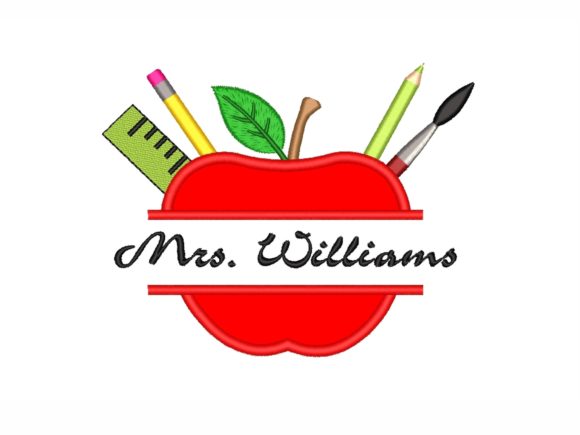
In the context of Back To School promotions, this design is a natural fit. However, limiting it to only seasonal use would be a mistake. The split in the apple creates negative space that is perfectly engineered for customization. This is where the design shines for business owners. It allows for the insertion of text, making it a dynamic logo accent rather than a static image. This adaptability means it can transition from a teacher’s gift in September to a year-round branding element for bakeries, florists, or creative studios.
Performance in Real Business Applications
When I test a new digital embroidery file, I imagine it on various substrates. Here is how I see this design performing across different product lines:
- Embroidered Patches: This is perhaps the strongest use case. The applique nature of the design reduces bulk, which is essential for patches that need to lie flat. The split center provides a clear area for a business name or initials, creating a high-value finished product that customers love to collect.
- Custom Apparel and Uniforms: For staff at a boutique or a local café, this design works beautifully as a chest logo accent. It is small enough to be subtle but distinct enough to be recognized. On aprons, it serves as a charming identifier, adding a touch of personality to standard workwear.
- Tote Bag Design: Canvas totes are a staple for handmade brands. The bold lines of the apple outline hold up well against the textured weave of canvas fabric. When paired with contrasting thread colors, it becomes a standout feature that enhances the perceived value of the bag.
- Cap Embroidery: Caps present a challenge due to the curved surface. However, because this is an applique design, the stitch density is generally lower than a full satin-stitch icon. This makes it safer for cap fronts, provided the hoop size is appropriate for the curve.
The inclusion of nine formats and four hoop sizes in the zip file is a significant advantage. It means you are not locked into one specific machine setup. You can scale the design for a small sleeve detail or a larger back panel, giving you flexibility in your commercial embroidery projects.
Technical Considerations and Placement Strategy
While the design is robust, there are areas where caution is required. As a designer, I always advise checking the stitch density and registration marks before full production. Applique designs rely on precise placement of the fabric cutout. If the registration is off, the split in the apple may not align correctly with the text you intend to add.
Here are specific scenarios where you should proceed with care:
- Small Patch Sizes: If you scale the design down too far, the text area within the split may become illegible. Always test the smallest hoop size included in the package to ensure readability.
- Dark Uniforms: Contrast is key. If you are embroidering on black or navy fabrics, ensure your thread colors and applique fabric provide enough contrast. A dark apple on a dark shirt will vanish.
- Textured Fabric: On highly textured materials like terry cloth or heavy wool, fine details can get lost. The bold outlines of this design help mitigate this, but you must use the correct stabilizer to prevent sinking.
- Frequent Washing: Items like aprons and staff shirts undergo rigorous cleaning. Ensure your applique fabric is pre-shrunk and that you use a high-quality tear-away or cut-away stabilizer to maintain the shape of the apple over time.
Enhancing Brand Identity and Customer Trust
Why does this matter for your bottom line? Because consistent, high-quality design assets build trust. When a customer sees a professionally embroidered patch on a tote bag or a neatly stitched logo on an apron, they perceive the brand as established and reliable. The Apple Split Applique Embroidery contributes to this perception by offering a polished, cohesive look.
For Etsy sellers and crafters, this design allows for rapid customization. You can create a series of products with different names or messages within the apple split, catering to personalization trends without redesigning the core graphic. This efficiency boosts your product value and buyer engagement. It transforms a simple item into a personalized keepsake.
Practical Designer Notes for Production
Before you integrate this into your inventory, follow these practical steps to ensure success:
- Test in Black and White: Before committing to colorful threads, stitch out the design in black and white. This helps you evaluate the clarity of the lines and the balance of the composition without the distraction of color.
- Check Hoop Size Compatibility: Verify which of the four included hoop sizes best fits your intended product. Do not assume a 4x4 hoop will work for a cap if the design was optimized for a 5x7.
- Select the Right Stabilizer: For applique, a combination of cut-away and temporary spray adhesive often yields the best results, keeping the fabric layers secure during the tack-down stitches.
- Create a Printable Mockup: Use digital tools to place the design on photos of your actual products. This helps you visualize the scale and proportion before wasting thread and fabric.
- Confirm Commercial Licensing: Always review the license terms included in the zip file. Ensure you have the rights to use the embroidery file for physical goods you intend to sell.
In conclusion, the Apple Split Applique Embroidery is a versatile, professional-grade asset for any small business owner in the Embroidery niche. It balances aesthetic appeal with technical practicality, making it suitable for a wide range of applications from patches to apparel. By paying attention to placement, contrast, and stabilization, you can leverage this design to create high-quality merchandise that strengthens your brand identity and delights your customers.