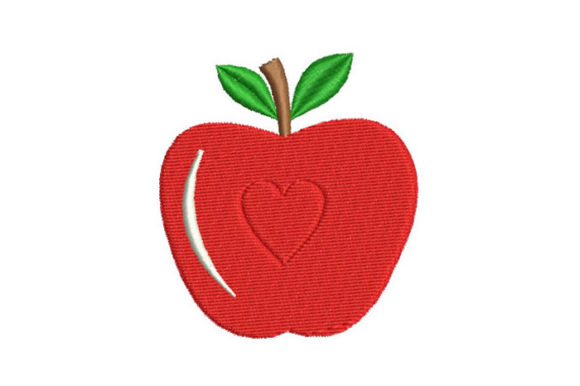
Apple Embroidery Design: A Designer’s Review for Personalized Gifts
As an embroidery designer who spends countless hours digitizing and testing motifs for client projects, I am always on the lookout for designs that balance simplicity with emotional impact. Recently, I had the opportunity to test the Apple machine embroidery design, a charming motif categorized under Food but designed with the versatility of general lifestyle Embroidery in mind. My goal was not just to see how it stitched out, but to evaluate its potential as a core component of a personalized gift product line. For Etsy sellers, small shop owners, and crafters looking to expand their catalog, understanding the nuance of a simple design like this is crucial for creating high-value handmade products.
First Impressions: Simplicity Meets Charm
The first thing that strikes you about the Apple design is its sleek, uncluttered aesthetic. In a market often saturated with overly complex, high-density patterns, this design offers a refreshing breath of fresh air. It feels modern yet timeless, possessing a sweet and playful mood that appeals to a wide demographic. The lines are clean, suggesting a professional digitization that prioritizes stitch integrity over unnecessary detail. This simplicity is its greatest strength. It allows the thread colors to do the heavy lifting, making it an ideal candidate for custom embroidery where color matching is key.
Emotionally, the apple symbol carries weight. It represents health, education, and warmth. When I visualized this design on various substrates, it didn’t feel like just a fruit; it felt like a gesture of care. Whether used for back-to-school projects or a cozy kitchen accent, the design exudes a handmade quality that buyers instantly connect with. It is elegant enough for adult home decor but playful enough for children’s items, giving it a broad commercial appeal.
Versatility Across Product Categories
One of the most compelling aspects of testing the Apple embroidery file was observing its adaptability. I simulated its application across several popular product categories to gauge its performance.
- Baby Embroidery and Nursery Decor: The soft, rounded shapes of the apple make it perfect for baby blankets and nursery wall hangings. When stitched in pastel thread colors on organic cotton, it creates a gentle, soothing aesthetic that parents love. It works beautifully for gender-neutral gifts, especially when paired with sage greens, muted reds, or warm yellows.
- Kitchen and Dining Essentials: An embroidered towel featuring this design becomes an instant heirloom. I envision it on flour sack towels or high-quality linen napkins. The design’s compact nature means it won’t overwhelm the fabric, allowing the texture of the towel to shine through while adding a pop of color.
- Apparel and Accessories: For back-to-school seasons, this design is a natural fit for t-shirts, backpacks, and tote bags. Its sleek profile ensures it doesn’t look bulky on curved surfaces like backpack straps or the chest pocket of a denim jacket.
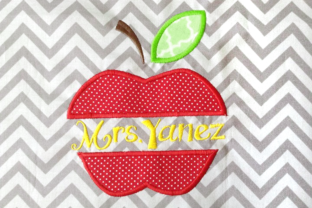
- Wedding and Housewarming Gifts: While apples are often associated with teachers, they also symbolize hospitality. Stitched onto a pillow cover or a custom apron, the Apple design can serve as a thoughtful housewarming gift, especially when personalized with a family name or date underneath.
Navigating Technical Challenges and Fabric Textures
While the design is straightforward, any experienced embroiderer knows that simplicity requires precision. During my review, I identified specific areas where careful attention is needed to ensure a premium finished product.
Fabric Texture and Stabilizer Choice: Because the design relies on clean lines, fabric texture plays a significant role. On textured fabrics like terry cloth or thick towels, smaller details might get lost if the stitch density is too low. I recommend using a cut-away stabilizer for stretchy fabrics like t-shirts to prevent distortion. For woven fabrics like linen or cotton tote bags, a tear-away stabilizer may suffice, but always test on scrap fabric first. The goal is to ensure the apple shape remains crisp and does not pucker.
Thread Color Contrast: The visual impact of the Apple design depends heavily on thread color contrast. On dark fabrics, a bright red or green apple will pop, but you must ensure the outline stitches are distinct enough from the fill stitches. If you are stitching a red apple on a burgundy shirt, the design may disappear. Always create printable mockups or digital previews to check contrast before committing to the final stitch-out.
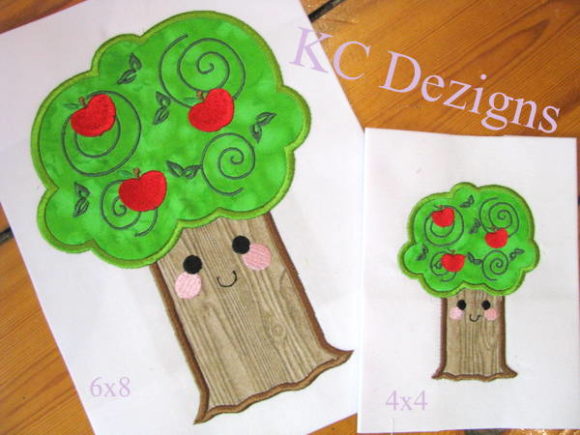
Small Details and Scale: If you plan to scale the design down for small items like baby socks or handkerchiefs, be cautious. Small lettering or intricate leaf details can become dense and stiff if reduced too much. Check the recommended hoop size provided with the digital embroidery file to ensure you are working within the optimal dimensions. If the design includes fine outlines, verify that your needle size is appropriate for the thread weight to avoid breaks or shredding.
Enhancing Giftability and Perceived Value
For small business owners and Etsy sellers, the perceived value of a product is often determined by its presentation and emotional resonance. The Apple design contributes significantly to giftability. It transforms a generic item, such as a plain canvas tote or a standard kitchen towel, into a personalized gift with character. Customers are drawn to items that feel curated and thoughtful. A simple apple motif suggests a connection to nature, health, and home, which enhances the emotional connection between the buyer and the recipient.
Furthermore, the clean aesthetic of this design lends itself well to product photography. It photographs beautifully in natural light, allowing sellers to create lifestyle images that feature the embroidered item in a realistic setting—such as an apple-themed lunchbox or a cozy kitchen counter. These visuals drive buyer engagement and help customers visualize the product in their own lives. By offering this design on high-quality blanks, you build customer trust in your handmade product quality.
Practical Notes for Commercial Use
Before integrating the Apple design into your commercial embroidery workflow, there are several practical steps you must take. First and foremost, confirm the commercial licensing terms. Ensure that the digital embroidery file you purchase allows for the sale of finished physical products. Most designers offer different licenses for personal versus commercial use, so read the terms carefully.
Secondly, conduct thorough testing. Stitch the design on every type of fabric you intend to sell. Pay close attention to stitch density. If the design feels too stiff on a lightweight fabric, you may need to adjust your tension or choose a lighter weight thread. Compare light and dark fabric mockups to determine which thread palettes offer the best visibility. Finally, inspect the small details after stitching. Are the leaves crisp? Is the outline smooth? These minor details define the difference between a amateur-looking item and a professional-grade custom embroidery piece.
In conclusion, the Apple machine embroidery design is a versatile, charming addition to any designer’s library. Its simplicity allows for creative freedom in color and placement, making it suitable for everything from baby embroidery to sophisticated kitchen linens. By paying attention to fabric texture, stabilizer choice, and color contrast, you can leverage this design to create high-value, emotionally resonant personalized gifts that stand out in a crowded marketplace. Whether you are a seasoned Etsy seller or a hobbyist looking to refine your skills, this design offers a reliable foundation for beautiful, handmade creations.