School Bag Pack Applique Pattern Review
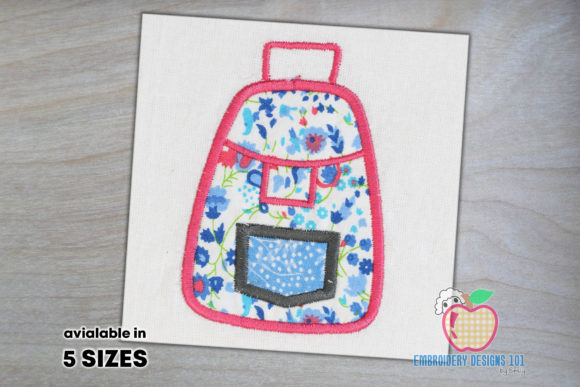
As an embroidery designer who has spent years digitizing and testing patterns for commercial use, I approach every new machine embroidery design with a critical eye. It is not enough for a pattern to look cute on a screen; it must perform under the needle, withstand washing, and elevate the brand identity of the business using it. Recently, I evaluated the School Bag Pack Applique Pattern, a digital asset positioned within the Back To School category but possessing far broader utility for small business merch and branded product lines.
This review focuses on how this specific design functions in real-world applications, from boutique retail to corporate uniforms. If you are an Etsy seller, an apparel decorator, or a creative studio owner, understanding the technical and aesthetic nuances of this file is crucial before you commit to production runs.
First Impressions: Visual Personality and Brand Fit
The first thing that strikes me about the School Bag Pack Applique Pattern is its versatility. While categorized under Back To School, the visual language is not strictly academic. The applique technique inherently adds texture and dimension, giving the finished product a handmade, premium feel that flat embroidery sometimes lacks. This design feels friendly yet professional, striking a balance that works well for brands wanting to appear approachable without sacrificing quality.
For a local bakery, a florist, or a pet brand, this pattern can serve as a charming accent rather than a literal school supply reference. The clean lines suggested by the description imply that it avoids excessive clutter, which is vital for maintaining legibility at smaller sizes. When I visualize this on a canvas tote or a denim apron, it reads as a thoughtful design asset rather than generic clipart. This distinction is what separates high-end custom apparel from mass-produced goods.
Performance in Commercial Embroidery Projects
The true test of any digital embroidery file is its adaptability across different substrates. Based on the product description, which notes that steps are separated by color changes, this design is structured for efficiency. Color stops allow the machine operator to switch threads seamlessly, which is essential when working with multi-color brand palettes. Here is how I see this pattern performing in various business scenarios:
- Embroidered Patches: Applique designs are ideal for patches because the fabric fill reduces stitch count while maximizing visual impact. This pattern would work beautifully as an iron-on or sew-on patch for merchandise bundles.
- Staff Uniforms and Aprons: For cafes and boutiques, apron embroidery adds a layer of professionalism. The School Bag Pack Applique Pattern can be placed on the chest pocket or lower hem, providing a subtle brand marker that customers notice subconsciously.
- Tote Bag Design: Canvas bags are a staple for retail gifts. The sturdy nature of applique holds up well against the rougher texture of canvas, ensuring the design does not sink into the fabric weave.
- Cap Embroidery: While possible, caps require careful handling. The curved surface of a cap front can distort complex shapes. However, if the design elements are compact, this pattern could serve as a side-panel accent or a front-center logo for casual staff hats.
Using this design for customer gifts or event merch can significantly boost buyer engagement. When a customer receives a item with a well-executed embroidered detail, it reinforces the perceived value of your handmade product. It signals that attention was paid to the details, fostering trust and encouraging repeat business.
Technical Considerations and Placement Strategy
While the aesthetic appeal is strong, technical execution is where many small business owners stumble. The description states that the design comes with multiple embroidery file formats and can be used in multiple embroidery machines. This is a positive indicator for compatibility, but it does not replace the need for due diligence. Here are the critical areas where you must exercise caution:
Fabric Texture and Stabilizer Selection
Applique relies on the contrast between the base fabric and the applique fabric. If you are stitching on a textured fabric like terry cloth or heavy denim, you must ensure the satin stitches securing the applique piece are wide enough to cover the raw edges completely. Using the wrong stabilizer can lead to puckering, especially on lighter fabrics like cotton tees. I always recommend testing with a cut-away stabilizer for garments that will undergo frequent washing, as it provides superior longevity compared to tear-away options.
Scale and Legibility
One common mistake is shrinking a design too much. If you intend to use the School Bag Pack Applique Pattern as a small chest logo or a sleeve detail, you must verify that the internal details do not collapse. Tiny lettering or intricate outlines can become a tangled mess if the hoop size is too small relative to the design complexity. Always create a printable mockup to visualize the scale before hooping actual fabric.
Thread Colors and Contrast
Since the steps are separated by color changes, you have control over the final look. However, poor color choice can ruin the effect. Ensure there is sufficient contrast between the thread color, the applique fabric, and the garment color. For dark uniforms, consider using a lighter applique fabric to make the design pop, or vice versa. Test it in black and white first to check the value contrast; if it looks muddy in grayscale, it will lack impact in color.
Enhancing Brand Identity Through Consistent Design Assets
Incorporating a consistent visual element like the School Bag Pack Applique Pattern into your product line helps solidify your brand identity. Whether you are selling on Etsy or supplying local businesses, having a signature embroidery style makes your work instantly recognizable. This pattern can become part of your core design assets, used across packaging accents, loyalty cards, and social media graphics.
When clients see the same high-quality embroidery on your tote bags, caps, and aprons, it creates a cohesive brand experience. This visual consistency builds professionalism and customer trust. It transforms a simple transaction into a brand interaction, where the quality of the stitch reflects the quality of your service or product.
Practical Designer Notes for Production
Before launching this design into your commercial embroidery workflow, follow these practical steps to ensure a flawless finished product:
- Verify File Details: The description mentions multiple file formats, but it does not specify exact stitch counts or recommended hoop sizes. Check these details in the download package before purchasing. Knowing the stitch count helps you estimate production time and thread usage.
- Test on Real Fabric: Never skip the test stitch. Run the design on the exact fabric you plan to use for production. Check for registration issues where the satin stitch might miss the edge of the applique fabric.
- Confirm Commercial Licensing: Ensure the license terms allow for the volume of sales you anticipate. Some digital files have limits on the number of physical items you can sell.
- Create Client Mockups: If you are doing custom work for a client, use a printable mockup to show them how the design will look on their specific garment. This manages expectations and reduces revisions.
- Inspect Spacing: Look closely at the density of the stitches. High stitch density can cause fabric stiffness. If the design feels too stiff after stitching, consider adjusting the pull compensation or using a softer stabilizer.
In conclusion, the School Bag Pack Applique Pattern is a versatile tool for the modern embroidery business. It bridges the gap between playful aesthetics and professional application. By understanding its technical requirements and leveraging its visual appeal, you can create standout merchandise that enhances your brand and delights your customers. Whether for back-to-school promotions or year-round boutique sales, this design offers a solid foundation for creative and commercial success.