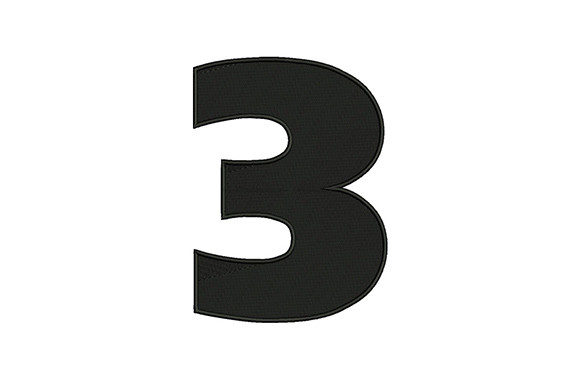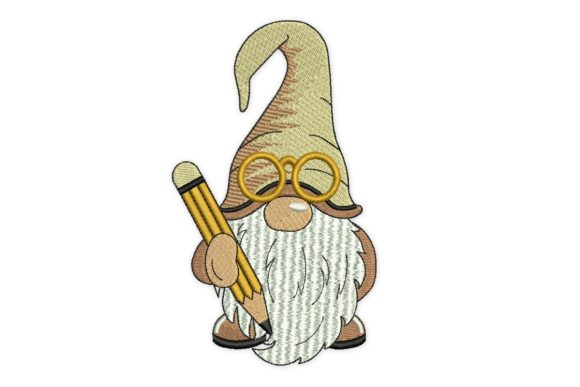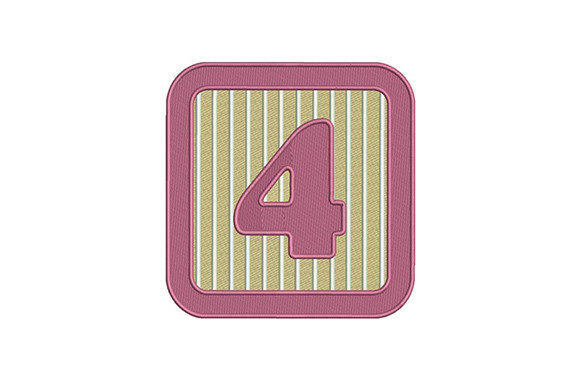
Number Four: A Designer’s Review for Small Business Merch
As an embroidery designer who has spent years digitizing and testing files for commercial use, I approach every new machine embroidery design with a critical eye. It is not just about whether a motif looks cute on a screen; it is about how it performs in the real world of small business merchandise. Today, I am reviewing Number Four, a design positioned within the Back To School category. While the seasonal label suggests classroom projects, my assessment focuses on its viability for branded patches, custom apparel, and professional merchandising for boutiques, cafés, and creative studios.
First Impressions: Visual Personality and Brand Fit
The product description highlights that this cute embroidery is perfect for creative projects, noting that only your imagination can stop you. From a design perspective, Number Four presents itself as versatile. It does not scream "childish" despite the academic categorization. Instead, it carries a friendly, approachable aesthetic that can easily transition from a student’s backpack to a boutique’s loyalty program gift.
For small business owners, visual consistency is key. This design feels handmade yet polished. It lacks the rigid, corporate stiffness of some vector logos, offering instead a warmth that appeals to customers of handmade products. Whether you run a local bakery, a florist shop, or an Etsy store selling curated goods, Number Four can serve as a subtle brand accent. It is decorative enough to stand alone but simple enough to integrate into a larger logo lockup without overwhelming other design assets.
Real-World Applications for Commercial Embroidery
The true test of any digital embroidery file is its application across various substrates. Here is how I envision Number Four performing in a commercial setting:
- Embroidered Patches: This is perhaps the strongest use case. A patch allows for portability and high perceived value. Number Four works well as a standalone merit badge style patch or as part of a set for customer rewards programs.
- Staff Uniforms and Aprons: For coffee shops and creative studios, apron embroidery adds a layer of professionalism. Placing this design on the chest pocket or lower corner of an apron creates a cohesive team look. It signals attention to detail, which builds customer trust.
- Cap Embroidery: Front-panel cap designs require simplicity. If the stitch count is moderate, Number Four can sit neatly above the brim. However, curved surfaces demand careful hooping and stabilizer selection to prevent puckering.
- Tote Bag Design: Canvas totes are staples for retail packaging. A centered or corner placement of this design transforms a basic bag into a branded asset. It encourages reuse, effectively turning your customers into walking billboards for your brand identity.
- Product Packaging Accents: Small-scale embroidery on fabric tags or ribbon ends can elevate unboxing experiences. If the design scales down well, it adds a premium touch to handmade product packaging.
Technical Considerations and Production Notes
While the creative potential is high, technical execution determines the quality of the finished product. As a designer, I always advise checking specific file details before committing to a large production run. The provided description mentions "machine emb" but cuts off, so we must assume standard variables need verification.
Stitch Density and Fabric Texture
One must evaluate the stitch density of Number Four. High density can cause fabric distortion, especially on lighter materials like cotton tote bags or thin uniform shirts. Conversely, low density might look sparse on plush fabrics like fleece jackets. Always test the design on the actual fabric texture you intend to use. If the design features fine details or tiny lettering, ensure your machine’s needle size and thread weight are appropriate to prevent breakage or bird-nesting.
Hoop Size and Stabilizer Selection
Confirm the required hoop size before purchasing. For small business merch, efficiency matters. If Number Four fits in a 4x4 inch hoop, it is ideal for quick turnaround items like patches or hat fronts. Larger hoops may slow down production. Equally important is the stabilizer. For stretchy fabrics like performance wear or knits, a cut-away stabilizer is non-negotiable to maintain shape after washing. For woven fabrics like canvas or denim, a tear-away may suffice, but testing is essential.
Thread Colors and Contrast
The description notes a variety of options. In a business context, thread color contrast dictates readability. If you are embroidering on dark uniforms, ensure the design has enough open space or uses bright, contrasting thread colors. Dark-on-dark embroidery often gets lost unless the stitch direction creates sufficient shadow and highlight. Create a printable mockup or digital proof to visualize these combinations before stitching.
Strategic Use in Brand Identity
Using Number Four is not just about decoration; it is a strategic move for brand recognition. Consistent use of specific design elements across touchpoints—from staff aprons to customer gifts—reinforces brand identity. When a customer sees the same high-quality embroidery on their tote bag and the barista’s apron, it creates a sense of reliability and professionalism.
For Etsy sellers and crafters, offering items with this design can differentiate your shop. In a market saturated with printed goods, embroidered items command higher prices due to the perceived labor and quality. However, you must ensure the design aligns with your overall aesthetic. If your brand is minimalist and modern, ensure Number Four is stitched in monochrome or neutral tones. If your brand is playful and vibrant, leverage the full spectrum of thread colors available.
Where to Exercise Caution
Not every application is suitable. Be cautious when using this design on items that undergo frequent, harsh washing, such as gym wear or children’s active clothing, unless you have verified the stitch integrity. Additionally, avoid placing complex details on highly textured fabrics like terry cloth or heavy wool, where small stitches can get lost or pull unevenly. If the design includes small text or intricate borders, test it at the smallest intended size first. What looks clear on a monitor may become a muddy blob at one inch wide.
Final Verdict for Small Business Owners
Number Four is a promising asset for small business merch and branded patch use. Its versatility allows it to bridge the gap between seasonal Back To School promotions and year-round brand building. To maximize its value:
- Test extensively: Run samples on black and white fabric first to check contrast and coverage.
- Verify licensing: Confirm commercial licensing terms before selling products featuring this design. Never assume a file is free for commercial use without explicit permission.
- Check file formats: Ensure the embroidery file is compatible with your specific machine brand (e.g., PES, DST, JEF) to avoid conversion errors that can alter stitch paths.
- Integrate strategically: Use the design to enhance, not clutter, your product line. Less is often more in professional branding.
By treating Number Four as a component of your broader brand strategy rather than just a decorative element, you can create cohesive, high-value merchandise that resonates with customers and elevates your business presence. Whether for custom apparel, tote bags, or exclusive patches, this design offers the flexibility needed by modern makers and retailers.